
Shane Sizemore Local Guide · 28 reviews · 3 photos
Best pest control business in central Florida. Amazing customer service and great prices. They are extremely knowledgeable, reliable and responsive.
Service · Pest ControlAnt problems in Orlando, Florida usually come from a colony outside or inside the structure. We identify the species first, then treat the colony, trail, entry points, and conditions that keep ants coming back.
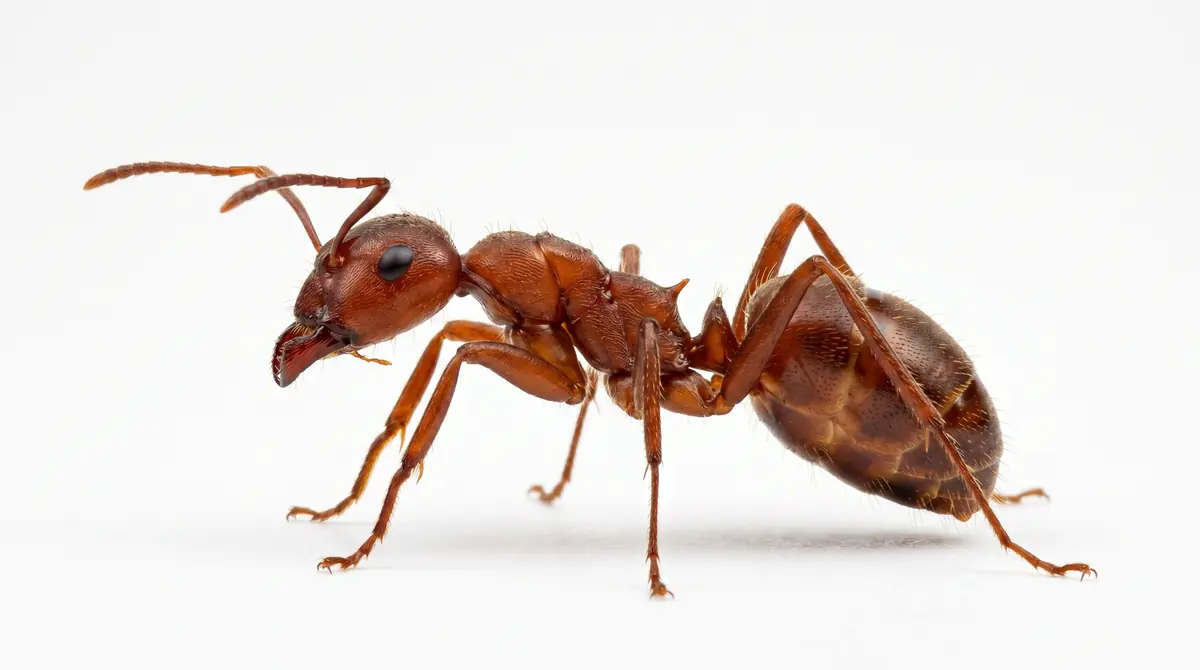
Ants can look simple until the treatment fails. Ghost ants, fire ants, big-headed ants, carpenter ants, and other Orlando ants do not all behave the same way. Some are tiny and show up around sinks and counters. Some build visible mounds in turf. Some follow paver lines or slab edges. Some may point to moisture or damaged wood.
We identify the ant before we treat. That matters because the wrong product can scatter certain colonies or push the problem into a new area.
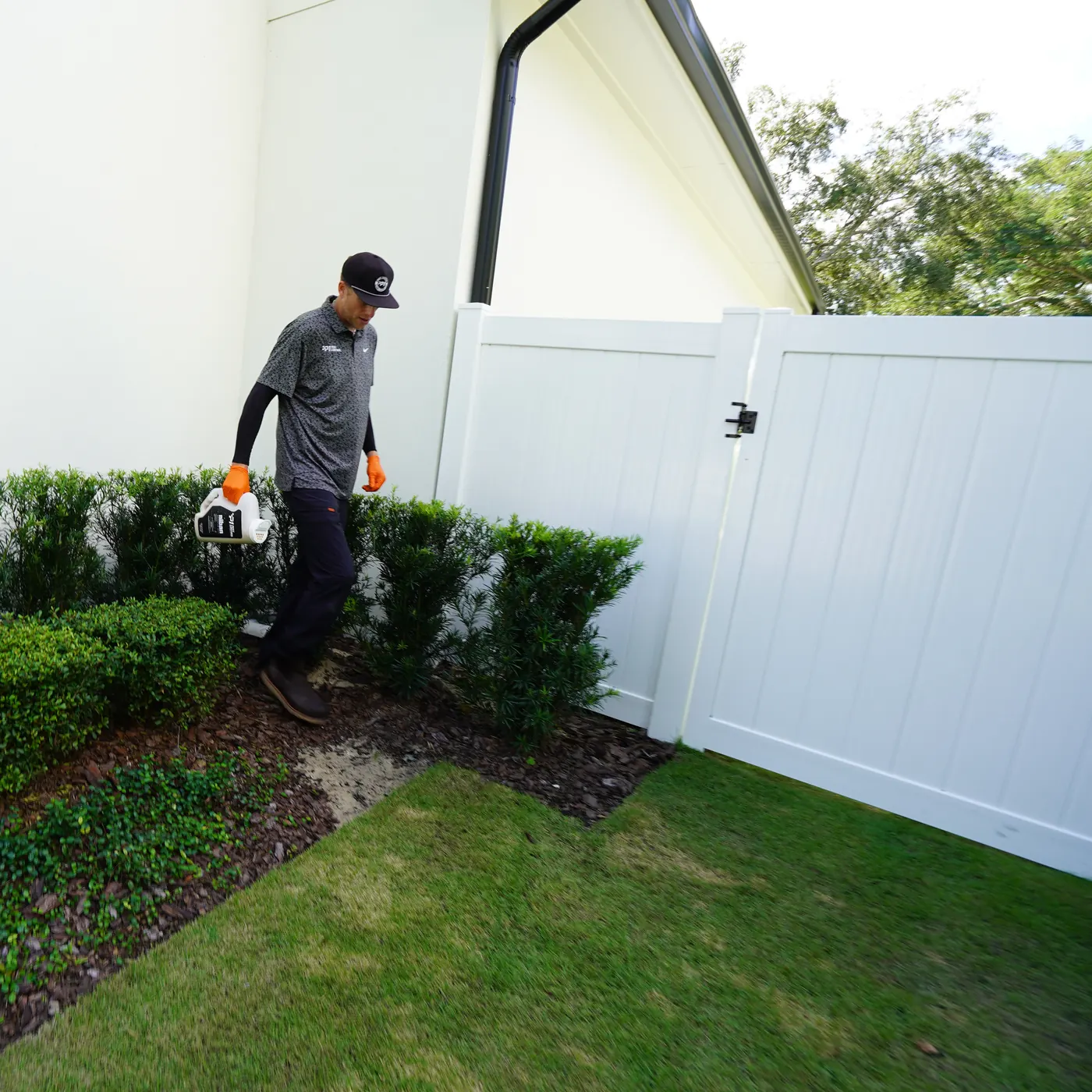
Ants do well here because the weather gives them what they need most of the year. Heat, rain, irrigation, mulch, pavers, shrubs, lawns, and moisture around the structure can keep colonies active even when the inside of the house is clean.
Most ant trails are a symptom. The real issue is the nest, the food source, the water source, or the entry route. That is why we look outside, inside, and around the slab instead of only treating the counter where you saw them.
Most ants are nuisance pests, but they still create real problems. They can contaminate food areas, keep returning after store-bought sprays, and spread into walls, bathrooms, kitchens, or bedrooms.
Fire ants are different. Their stings hurt and can be a bigger concern around kids, pets, playgrounds, and lawn areas. Carpenter ants can also point to moisture-damaged wood that needs attention.
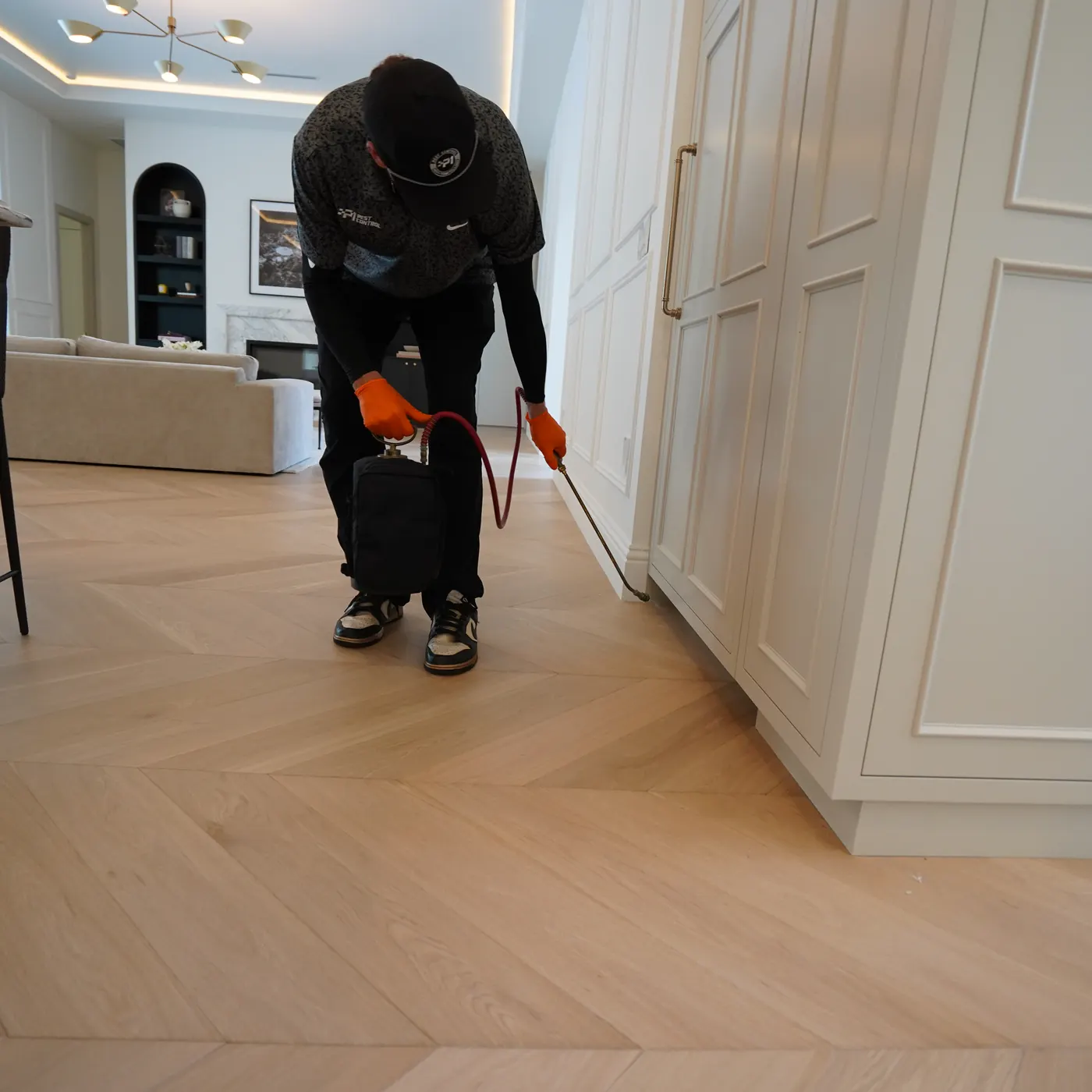
We start by identifying the ant species and mapping the trail. Depending on what we find, ant treatment may include slow-acting bait, granular bait, exterior nest treatment, entry point treatment, perimeter protection, or recommendations for moisture and food-source correction.
For many ant problems, bait is better than just spraying the workers you can see. The goal is to get treatment back to the colony when that method fits the species. We also explain what not to disturb after service so the treatment has time to work.
Species confirmation, severity assessment, and a map of harborage points and entry routes. Photo report on file.
Species-specific protocol: baiting, exclusion, barrier, or removal. EPA-registered products, applied to label directions.
Entry points sealed, conditions corrected, and quarterly monitoring so this pest doesn't make a comeback.
What you can do between professional visits to make your property a harder target.
The questions customers ask before they book, answered without the fine print.
Sprays often kill the workers you see, but the colony can keep producing more ants. Some ants may even split or move when the wrong product is used. We focus on the species, the colony, and the source.
No, but they are easy to confuse. If you see winged insects, take a photo and call us. Identification matters because termite and ant treatment are completely different.
Yes. Fire ant treatment may include mound treatment, granular bait, or broader yard treatment depending on the property and activity.
No. Ants are often reacting to water, weather, mulch, landscaping, pavers, or entry points. Cleaning helps, but we still need to find why they are getting in.
Ask us first. Some treatments need time to work. Cleaning or spraying over bait too soon can slow the process down.
Google-verified reviews from P1 pest control customers across Central Florida.
Best pest control business in central Florida. Amazing customer service and great prices. They are extremely knowledgeable, reliable and responsive.
Service · Pest ControlBrynson is extremely knowledgeable and thorough. He showed me things I wasn't aware of and provided very individualized service. P1 is great!!
Service · Pest ControlBryson was very responsive and got out to our house quickly. He thoroughly explained our options and made sure we felt comfortable. Once he did the treatment he followed up to make sure everything was good. I am very impressed.
Service · Pest ControlGreat service and very professional! Felt very confortable with the help I got with the rodents in my attic and outside! 🐀
Service · Rodent ControlBryson is very knowledgeable and willing to help. I'm grateful to have met him and benefited from his knowledge and local connections. I highly recommend you call him for any pest control you may need.
Service · Pest ControlFree inspection · Same-day quote
Tell us what you're seeing. A dispatcher will call within one business day to schedule your free ants inspection.
Call us or use the form to describe the problem. Include any access instructions so we can plan the visit.