
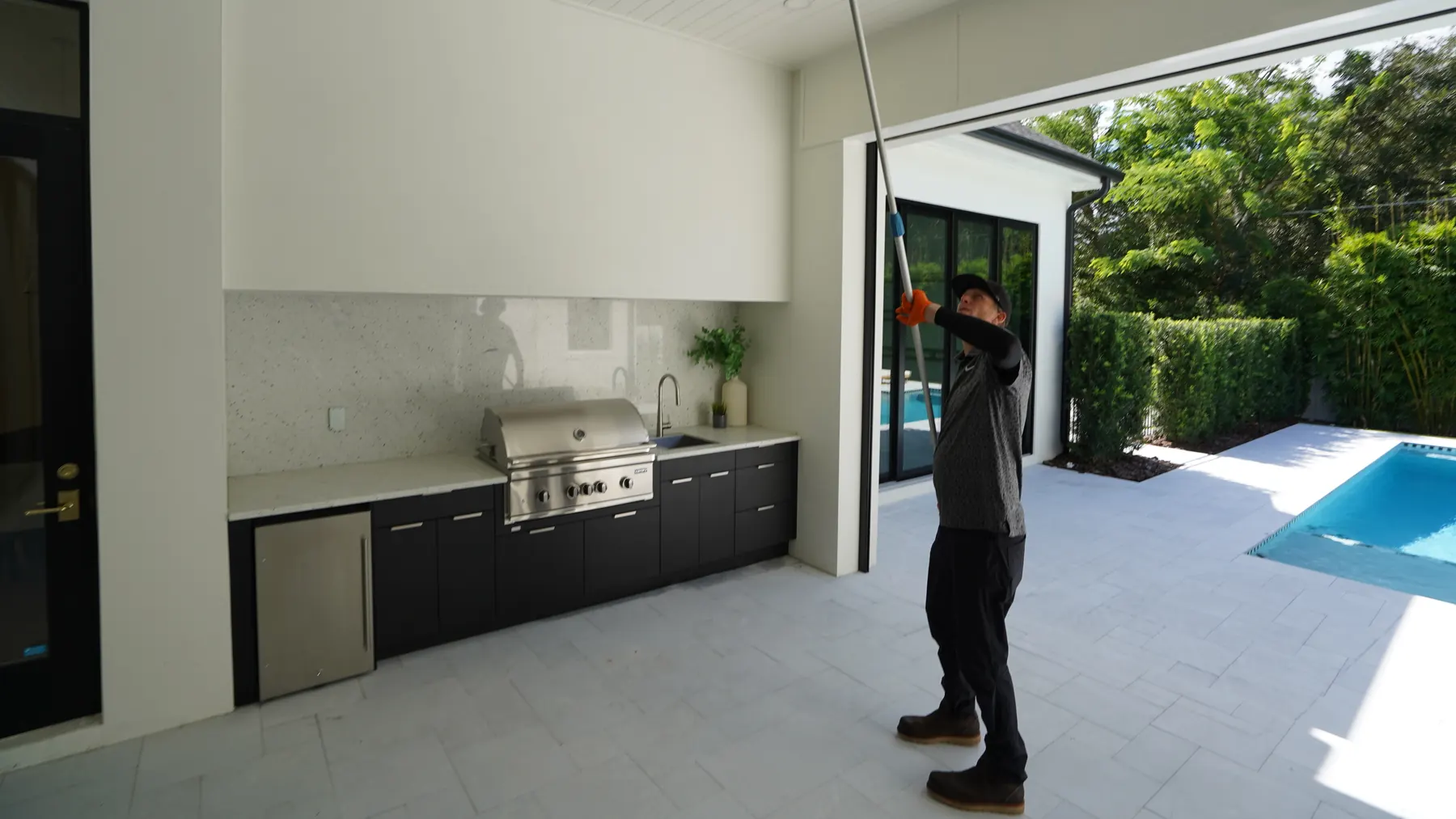
Consider a tenant's report of roaches near a rear door. If the door needs a new sweep, the dumpster lid will not close and nobody has a key to the adjacent storage room, sending someone to spray leaves work unfinished. Who repairs the door? Who opens the room for inspection?
Commercial pest prevention starts with identifying the pest and inspecting how the building is used. Then someone has to own each repair, cleaning task and access request. Follow-up checks whether those corrections happened and whether the pest activity changed.
At P1, we separate what we can treat from what the property team needs to correct. If complaints keep returning at your Orlando property, ask us about a commercial pest inspection. Bring the sighting history and the areas you can give us access to. That gives us a useful place to start.
Start with the complaint, then walk the route
Before the inspection, ask the person who saw the pest for a location, date and description. A photograph helps when they can take one without touching the pest or disturbing contaminated material. Record what they actually saw rather than assigning a species from a hurried phone call.
One report in a common hallway and repeated reports behind kitchen equipment need different investigations. A rear door sighting should lead to checks on both sides of that door. An interior complaint should not disappear from the record simply because the exterior was serviced.
Use the same location names across your notes, maintenance tickets and pest reports. Suite numbers, loading-bay numbers and a marked site plan make it easier to compare visits. Vague descriptions such as the back corner can send two people to different buildings.
The EPA's integrated pest management principles explain the reasoning: monitor and identify pests accurately, manage the space so pests do not become a threat, and evaluate control methods only once monitoring and thresholds show that control is required. A calendar visit alone does not tell you whether the source has been addressed.
Check doors, loading areas and utility openings
Include staff entrances and delivery doors in the walk. Look at the bottom and sides of closed doors, damaged weather stripping, loading dock gaps and openings around pipes or cables. Put repair requests against specific locations. The same entry-point walkthrough we use on homes applies here, with more doors and more owners.
Watch how doors work during normal business. A door that closes correctly during a quiet inspection may stay propped open throughout deliveries. Ask the tenant how long deliveries take and whether the opening can be managed differently without interfering with safe access or emergency exits.
Utility work deserves a follow-up look. A cable installation or plumbing repair can leave an opening that was not there on the last inspection. Ask the contractor responsible to evaluate the penetration and the correct repair. Do not have staff fill vents, drains or other functional openings just because they look like possible pest access.
Separate an observed opening from a confirmed pest route in your records. Both need attention, but they are different findings. We look at evidence around entry points so the treatment plan follows the activity rather than a list of every crack in the building.
Follow waste handling all the way to the dumpster
A clean lobby tells you little about the trash route. Check where bags wait before collection, whether liquids leak onto the floor, and whether the dumpster closes between pickups. Include the route used by tenants who finish work after the property office closes.
Look for food residue, damaged containers, loose waste and repeated overflow. Ask who cleans the pad and who reports a damaged lid to the waste provider. If a container fills before the next pickup, record that pattern instead of repeatedly assigning the same cleanup.
At shared dumpsters, responsibility can become unclear. Give tenants one reporting contact, and identify who handles the shared area. A written task should name the location and the correction needed. General reminders to keep things clean rarely tell a maintenance team what to fix first.
Rodent signs need their own assessment. The CDC's rodent-control guidance identifies droppings and gnaw marks as signs of rodent presence and says the best way to prevent an infestation is to remove food sources, water and items that provide shelter. Our rat and rodent service information explains why removal, entry-point work and source correction belong in the same conversation, and our guide to entry points and repeat rodent problems covers why activity returns.
Keep people away from suspected rodent waste until there is a cleanup plan. Do not ask a porter to sweep or vacuum droppings. CDC's rodent cleanup instructions describe precautions and distinguish ordinary cleanup from heavy infestations that need additional protection.
Inspect drains, storage and the spaces people skip
In food-related spaces, look beyond the visible floor. Ask about recurring leaks, organic buildup near drains, spilled supplies, waste under equipment and storage that blocks inspection. Small flying insects need identification before anyone decides they are mosquitoes or chooses a treatment.
We can identify conditions that need attention, but P1 is not a cleaning company. A property team or tenant must arrange the cleaning and repairs. If equipment cannot be moved safely, document the blocked area and agree on the right person to open access.
Check breakrooms and storage areas in offices and warehouses too. Food does not have to be part of the business for it to be stored in the building. Open snack packages, discarded lunch containers and forgotten supplies deserve the same practical attention as a designated food-storage room.
For restaurants, the product label and application location matter. We do not apply products to counters or food-contact surfaces. Tell us what happens in each area, when food is prepared, and where employees or customers will be present. Treatment instructions must fit those conditions. Where the complaint is roaches, our roach library page explains why a kitchen infestation is a different job from an occasional outdoor invader at a loading door.
Do not turn a pest visit into a substitute for your food-safety or facility procedures. Pest documentation can support the property's work, but it is not a guarantee that the building meets every regulatory requirement or will pass an inspection.
Make tenant access part of the plan
Confirm which areas the agreement covers before service. A manager may control the exterior, shared hallways and grounds while individual tenants arrange interior pest service. Write that division down so nobody assumes an inaccessible kitchen or locked stockroom was inspected.
For each visit, identify the person who can provide access and a backup contact. Check keys, gate codes, alarm requirements and tenant permission in advance. Schools and other occupied facilities may have narrow service windows. Those restrictions need to be discussed before the technician arrives.
A missed area needs a next step. Record why access was unavailable, who will arrange it and when the request will be checked again. Do not close the complaint merely because the scheduled visit occurred.
Tell us about planned pressure washing, deep cleaning, painting or repairs. Those activities may affect treatment timing or treated surfaces. Get instructions for the specific work instead of giving every contractor the same waiting period. Continue required sanitation while coordinating any restrictions with the technician and facility team.
Include the grounds without confusing service scopes
Walk the exterior for dense brush, water sources, clutter, storage against walls and areas where staff cannot inspect. On an Orlando property with irrigation and afternoon rain, record where water remains and whether a leak or drainage issue needs a separate contractor. Standing water on the grounds is a mosquito question as much as a drainage one; our weekly mosquito checklist works as a grounds-staff routine.
Landscape maintenance and pest treatment have different jobs. If unhealthy turf or shrubs also need evaluation, our lawn and shrub care service addresses those concerns. Mowing, pruning and repair responsibilities still need an owner; a pest service agreement should not leave those tasks implied.
Commercial rodent planning also accounts for ponds, truck storage, dumpsters and flood-prone areas. Moving a station because it is inconvenient can interrupt the plan. Ask the technician to review placement before staff or contractors relocate equipment.
For ants, roaches and other building pests, our general pest control approach starts with identification and the source. Keep those findings separate from rodent activity so a single site report does not hide several different problems under one pest count.
Use a checklist that ends with assigned work
Use this during a walk with your facility team. Mark an item as inspected, inaccessible or needing correction, rather than giving everything a vague pass or fail.
- Record the pest report with the exact location, date and available photograph.
- Check the reported area and nearby routes that staff can safely access.
- Note door, dock and utility openings for qualified repair.
- Check waste containers, the trash route and the dumpster pad.
- Identify drain buildup, leaks and food-storage concerns.
- Record blocked areas and the person who can arrange access.
- Flag children, pets, food operations and other treatment restrictions.
- Name the person responsible for each cleaning or structural correction.
- Set a review date and record evidence that the correction was completed.
- Compare later sightings with the earlier locations before closing the issue.
Keep urgent findings out of the routine queue. Suspected contamination in a food area, rodent waste or activity in a sensitive occupied space calls for prompt communication and the facility's applicable response procedures. A routine checklist is not permission to keep using a potentially contaminated area.
What useful follow-up notes should tell you
After service, our notes should help you understand what we found, what we treated, what needs attention and what we could not reach. You should be able to hand the relevant action to a tenant or maintenance contractor without translating a generic service description.
Track pest findings separately from completed property work. A repaired door is evidence that a repair happened. It is not proof that the infestation ended. Likewise, no tenant complaints may mean activity dropped, but it may also mean nobody reported it.
At the next review, compare the same locations. Did the reported activity move? Did the repair hold? Is the food source still available? If a problem continues, revisit identification, access and unfinished corrections before assuming more product is the answer.
Keep the record simple enough to use: location, finding, action, responsible person, target date and verification. Add photographs when useful. This is an operating record, not a promise of a particular legal or inspection outcome.
Property manager questions
How often should commercial pest service happen?
The building's use, pest activity, access and conditions should guide the schedule. A restaurant and a storage property may need different plans. We assess the property before recommending a frequency, then use follow-up findings to judge whether the plan needs to change.
Does exterior service cover every tenant's interior?
Not automatically. Check the written scope and access arrangements. If a tenant reports an interior problem, tell us even when the existing agreement covers the exterior. We can explain what additional inspection or service discussion is needed.
What if the same complaint returns after a visit?
Send the new date, location and evidence. Review open repairs, sanitation tasks and areas that were inaccessible. Recurring activity deserves another look at the source, not blame directed at the tenant or an assumption that the previous treatment covered everything.
If your team keeps reopening the same pest complaint, ask P1 to inspect the property. Bring the sighting log and open maintenance tickets. We will explain what we can handle, what needs a property correction and what to check next.